
2. API Design & Response Standard
2.1. Mục tiêu chương
Chương này quy định cấu trúc chuẩn của mỗi module và trách nhiệm của từng layer nhằm:
-
Tách biệt rõ ràng các tầng xử lý
-
Giảm phụ thuộc giữa các thành phần
-
Dễ bảo trì, mở rộng và test
-
Đảm bảo tính nhất quán giữa các module trong hệ thống
2.2. Khái niệm / phạm vi áp dụng
Quy tắc này áp dụng cho:
-
Tất cả các module trong thư mục modules/**
-
Cả Core Team và Partner Team
-
Tất cả các chức năng mới được phát triển
Cấu trúc chuẩn mỗi module
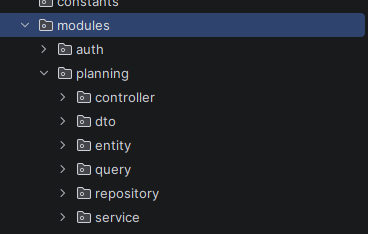
modules/<module-name>/
controller/
service/
repository/
entity/
dto/
Ý nghĩa từng thành phần
|
Layer |
Vai trò |
ví dụ |
|
controller |
Nhận request từ client và trả response |
@PostMapping public ApiResponse<PlanningResponse> create(@Valid @RequestBody PlanningCreateRequest req) { return ApiResponse.ok(service.create(req)); } |
|
service |
Xử lý logic nghiệp vụ |
public PlanningResponse get(Long id) { PlanningEntity e = repo.findById(id).orElseThrow(() -> new AppException(ErrorCode.NOT_FOUND, HttpStatus.NOT_FOUND, "Planning not found: " + id) ); return toResponse(e); } |
|
repository |
Truy cập và thao tác dữ liệu |
public interface PlanQueryRepository { long count(PlanListFilter filter); List<PlanListItem> list(PlanListFilter filter); } |
|
entity |
Mapping bảng database |
public class PlanningEntity { @Id @GeneratedValue(strategy = GenerationType.IDENTITY) private Long id; } |
|
dto |
Model request và response |
public class PlanListFilter { private String keyword; private Integer page = 1; // 1-based private Integer size = 20; private String sortBy = "created_at"; private String sortDir = "desc"; public String getKeyword() { return keyword; } public void setKeyword(String keyword) { this.keyword = keyword; } public Integer getPage() { return page; } public void setPage(Integer page) { this.page = page; } public Integer getSize() { return size; } public void setSize(Integer size) { this.size = size; } public String getSortBy() { return sortBy; } public void setSortBy(String sortBy) { this.sortBy = sortBy; } public String getSortDir() { return sortDir; } public void setSortDir(String sortDir) { this.sortDir = sortDir; } } |
2.3. Quy định chính
Trách nhiệm từng layer
Controller
-
Nhận request từ client
-
Gọi service tương ứng
-
Trả response về client
-
Không xử lý logic nghiệp vụ
Service
-
Xử lý logic nghiệp vụ
-
Điều phối repository
-
Chuyển đổi entity ↔ DTO
Repository
-
Truy cập database
-
Thực hiện các thao tác CRUD
-
Không chứa logic nghiệp vụ
Entity
-
Mapping với bảng database
-
Không chứa logic nghiệp vụ phức tạp
DTO
-
Model cho request/response
-
Không gắn trực tiếp với entity
Quy tắc bắt buộc
-
Controller không được chứa logic nghiệp vụ
-
Không trả trực tiếp Entity ra API
-
Luôn dùng DTO cho request/response
-
Response chuẩn toàn hệ thống: ApiResponse<T>
2.4. Cách thực hiện / quy trình
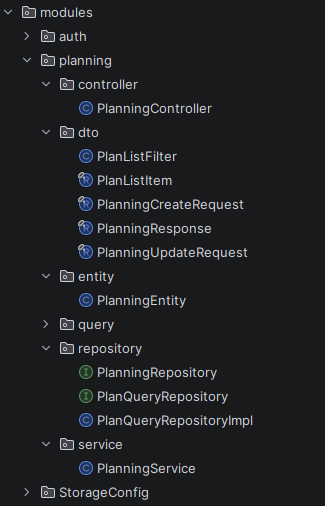
Quy trình phát triển một chức năng mới
Bước 1: Tạo DTO
Ví dụ:
UserCreateRequest
UserResponse
Bước 2: Tạo Entity
Mapping với bảng database:
UserEntity
Bước 3: Tạo Repository
UserRepository
Bước 4: Tạo Service
UserService
Xử lý logic:
-
Validate dữ liệu
-
Gọi repository
-
Mapping entity → DTO
Bước 5: Tạo Controller
UserController
-
Nhận request
-
Gọi service
2.5. Ví dụ minh họa
Ví dụ sai (vi phạm quy tắc)
Controller chứa logic:
@GetMapping("/users")
public List<UserEntity> getAll() {
return userRepository.findAll();
}
Sai vì:
-
Trả Entity trực tiếp
-
Không dùng Service
-
Không dùng ApiResponse
Ví dụ đúng
@GetMapping("/users")
public ApiResponse<List<UserResponse>> getAll() {
return ApiResponse.ok(userService.getAll());
}
Service:
public List<UserResponse> getAll() {
return userRepository.findAll()
.stream()
.map(this::toResponse)
.toList();
}
2.6. Checklist áp dụng
Trước khi commit module mới:
-
Có đủ:
-
controller/
-
service/
-
repository/
-
entity/
-
dto/
-
Controller không chứa logic nghiệp vụ
-
Không trả Entity ra API
-
Tất cả API trả về ApiResponse<T>
-
DTO tách biệt với Entity