
Trang mới
Nội dung chi tiết
1. Tổng quan kiến trúc hệ thống
1.1. Mục tiêu kiến trúc
Kiến trúc backend được thiết kế nhằm:
-
Đảm bảo khả năng mở rộng và bảo trì lâu dài
-
Tách biệt rõ trách nhiệm giữa các layer
-
Chuẩn hóa cách tổ chức code giữa các module
-
Hỗ trợ phát triển song song nhiều developer
-
Dễ dàng tích hợp các hệ thống ngoài (SSO, Cache, MQ…)
Tất cả các service backend phải tuân thủ kiến trúc chuẩn được định nghĩa trong tài liệu này.
1.2. Mô hình kiến trúc
Hệ thống backend sử dụng mô hình:
Modular Monolith – Layered Architecture
Đặc điểm:
-
Một service Spring Boot deploy độc lập
-
Bên trong chia module theo domain
-
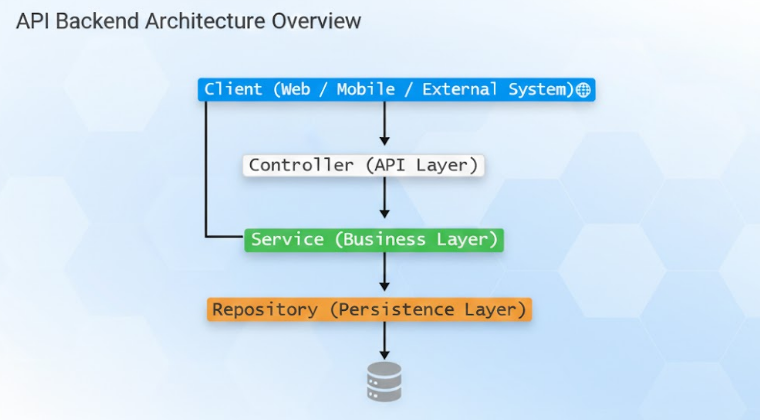
Mỗi module có đầy đủ layer Controller → Service → Repository
-
Có thể tách thành microservice khi cần
Sơ đồ tổng thể:
Tích hợp ngoài:
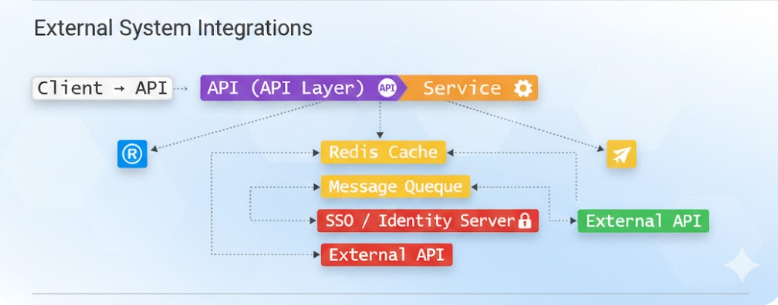
Client → API → Service →
                    ↘ DB
                    ↘ Redis Cache
                    ↘ Message Queue
                    ↘ SSO / Identity Server
                    ↘ External API
1.3. Quy tắc phân lớp (Layered Architecture)
Mỗi module phải tuân thủ cấu trúc phân lớp sau:
1.3.1. Controller Layer (API Layer)
Chức năng:
-
Nhận request HTTP
-
Validate input DTO
-
Gọi service xử lý
-
Trả response chuẩn
Quy định:
-
Không chứa business logic
-
Không truy cập DB trực tiếp
-
Không xử lý transaction
-
Không map entity
Ví dụ:
1.3.2. Service Layer (Business Layer)
Chức năng:
-
Chứa toàn bộ business logic
-
Điều phối repository
-
Xử lý transaction
-
Mapping entity ↔ DTO
Quy định:
-
Không nhận HttpServletRequest
-
Không trả Entity ra ngoài
-
Phải qua DTO/Response
-
Transaction đặt tại Service
Ví dụ:
1.3.3. Repository Layer (Persistence Layer)
Chức năng:
-
Truy cập DB
-
Query dữ liệu
-
Mapping ORM
Quy định:
-
Không chứa business logic
-
Không gọi service
-
Chỉ thao tác entity
Ví dụ:
1.3.4. Entity Layer
Chức năng:
-
Mapping bảng DB
-
Quan hệ ORM
Quy định:
-
Không chứa logic nghiệp vụ
-
Không trả trực tiếp ra API
-
Không dùng cho request/response
1.3.5. DTO Layer
Gồm:
-
Request DTO
-
Response DTO
Chức năng:
-
Trao đổi dữ liệu với client
-
Tách biệt entity và API
Quy định:
-
Controller chỉ nhận/trả DTO
-
Không expose entity
1.3.6. Mapper Layer
Chức năng:
-
Chuyển đổi DTO ↔ Entity
Có thể dùng:
-
MapStruct
-
Manual mapping
Quy định:
-
Không đặt trong controller
-
Không đặt trong repository
1.4. Quy tắc phụ thuộc (Dependency Direction)
Dependency chỉ được phép đi theo một chiều:
Không được phép:
-
Repository gọi Service
-
Service gọi Controller
-
Controller gọi Repository trực tiếp
-
DTO gọi Repository
Nguyên tắc:
Layer trên được gọi layer dưới
Layer dưới không được gọi layer trên
1.5. Tổ chức module theo domain
Project được tổ chức theo domain thay vì technical layer toàn cục.
Cấu trúc chuẩn:
1.6. Tích hợp hệ thống ngoài
Backend có thể tích hợp các thành phần sau:
-
SSO / Identity Server
-
Cache (Redis)
-
Message Queue
-
File Storage
-
External API
Quy tắc tích hợp:
-
Gọi qua Service
-
Không gọi trực tiếp từ Controller
-
Tách client class riêng
Ví dụ:
1.7. Nguyên tắc kiến trúc bắt buộc
Tất cả backend service phải tuân thủ:
-
Không expose entity ra API
-
Không viết business logic trong controller
-
Không truy cập DB ngoài repository
-
Không phụ thuộc ngược layer
-
Transaction đặt tại service
-
Mapping qua DTO
Vi phạm kiến trúc được xem là lỗi nghiêm trọng trong review code.
1.8. Khả năng mở rộng Microservice
Kiến trúc hiện tại cho phép tách module thành microservice khi cần:
Ví dụ:
1.9. Xử lý ngoại lệ toàn cục (Exception Handling Strategy)
1.9.1. Mục tiêu
Chuẩn hóa cơ chế xử lý lỗi toàn hệ thống nhằm:
-
Đảm bảo response lỗi thống nhất giữa các API
-
Ẩn thông tin nội bộ hệ thống
-
Dễ dàng log và truy vết lỗi
-
Hỗ trợ frontend xử lý lỗi chính xác
-
Tránh trả lỗi không kiểm soát (stacktrace, SQL…)
Tất cả API backend phải sử dụng cơ chế xử lý ngoại lệ toàn cục.
1.9.2. Global Exception Handler
Hệ thống sử dụng Global Exception Handler thông qua @ControllerAdvice.
Chức năng:
-
Bắt tất cả exception phát sinh từ Controller / Service
-
Mapping exception → HTTP status
-
Trả response lỗi chuẩn
-
Ghi log lỗi hệ thống
Quy định:
-
Không xử lý lỗi trực tiếp trong Controller
-
Không trả stacktrace ra client
-
Không trả message DB/SQL
-
Không throw Exception chung chung
Ví dụ:
1.9.3. Mapping Exception → HTTP Status
Chuẩn mapping bắt buộc:
| Exception | HTTP Status |
|---|---|
| ValidationException | 400 Bad Request |
| MethodArgumentNotValid | 400 Bad Request |
| IllegalArgumentException | 400 Bad Request |
| AccessDeniedException | 403 Forbidden |
| AuthenticationException | 401 Unauthorized |
| ResourceNotFoundException | 404 Not Found |
| BusinessException | 422 Unprocessable |
| SystemException | 500 Internal Server Error |
| Exception (default) | 500 Internal Server Error |
Không được trả:
-
200 với lỗi business
-
500 với lỗi validation
-
500 với not found
1.9.4. Chuẩn format response lỗi
Tất cả API khi lỗi phải trả format thống nhất:
Ý nghĩa:
| Field | Mô tả |
|---|---|
| timestamp | Thời điểm lỗi |
| code | Mã lỗi hệ thống |
| message | Thông báo lỗi |
| traceId | ID truy vết log |
Quy định:
-
codephải ổn định, dùng cho frontend -
messagecó thể hiển thị user -
Không trả stacktrace
-
Không trả SQL/exception message nội bộ
1.9.5. Quy tắc định nghĩa Exception
Mỗi loại lỗi phải có class riêng:
Ví dụ:
1.9.6. Quy tắc sử dụng Exception
Service layer phải throw exception domain:
Không được:
-
throw new Exception()
-
throw RuntimeException chung chung
-
trả null thay vì lỗi
-
trả Optional ra controller
1.9.7. TraceId và logging
Mỗi request phải có traceId để truy vết lỗi:
-
Sinh tại filter/interceptor
-
Ghi vào MDC log
-
Trả về response lỗi
Ví dụ:
1.9.8. Nguyên tắc bắt buộc
Tất cả backend service phải tuân thủ:
-
Mọi lỗi phải qua GlobalExceptionHandler
-
Không trả exception raw ra client
-
Không xử lý lỗi trong controller
-
Exception phải có code
-
Response lỗi phải đúng format chuẩn
-
Mapping đúng HTTP status
Vi phạm quy tắc xử lý lỗi được xem là lỗi nghiêm trọng trong code review